
Max for Live: SpektroAudio Fragments v1.1
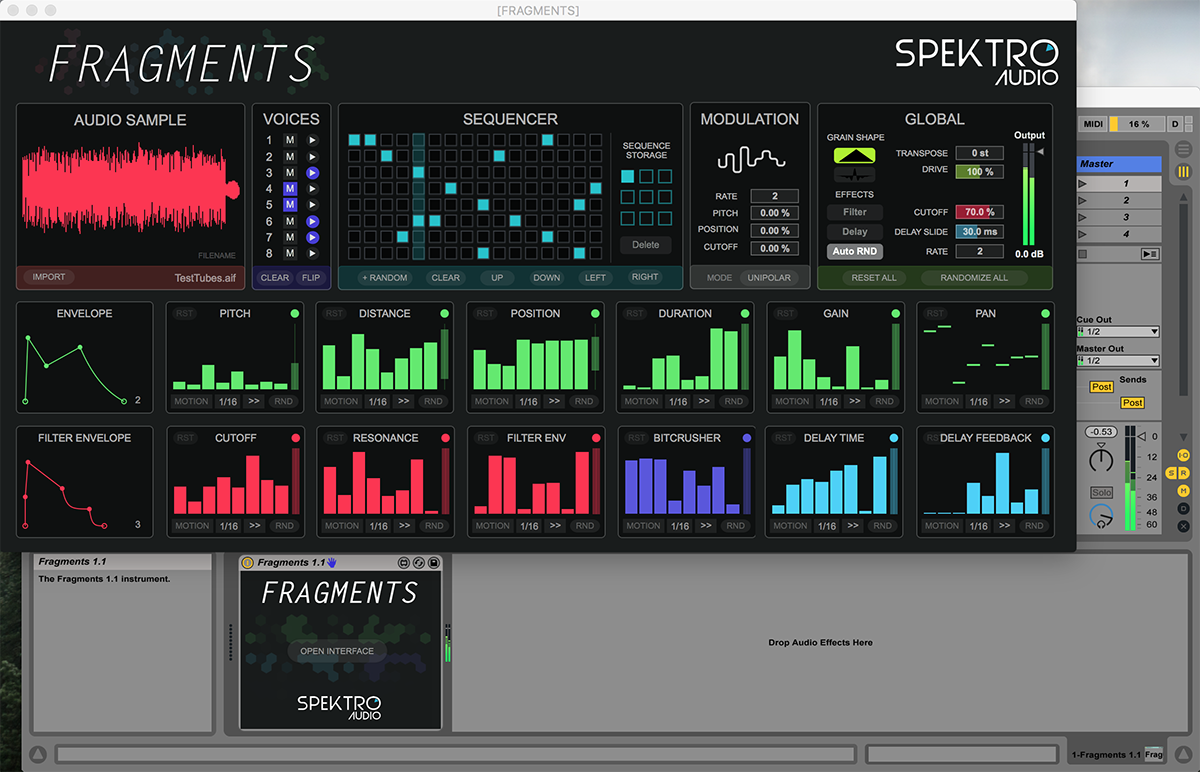
SpektroAudio (and chief developer Icaro Ferre) have been featured in these pages before; their work on the CV Toolkit created a stir among modular users clamoring to integrate computers into their rigs. This time, SpektroAudio takes on two of the big themes in computer music (sequencing and granular processing), mashes them together and creates a compelling performance/composition tool from the results. Let’s take a look!
How It Works
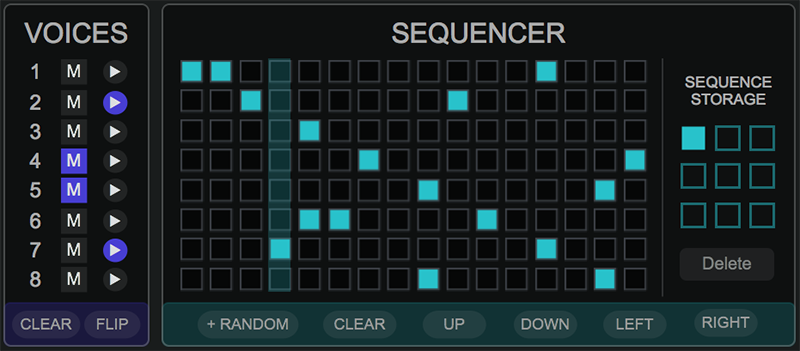
Fragments is pretty simple at its heart: you apply eight different granulator voices against an audio file and sequence them in sync with the Live transport. Couldn’t be simpler, right? But the core question is what should a sequenced granulator do? In Fragments’ case, the answer is ‘almost everything it could’! Each voice provides control over grain design (envelope/pitch/duration/gain/pan/buffer positioning), filtering, bitcrushing and a delay line. When you combine this with a 16-step gate sequencer for firing off voice combinations, and some global control, you end up with a powerhouse of a processor.
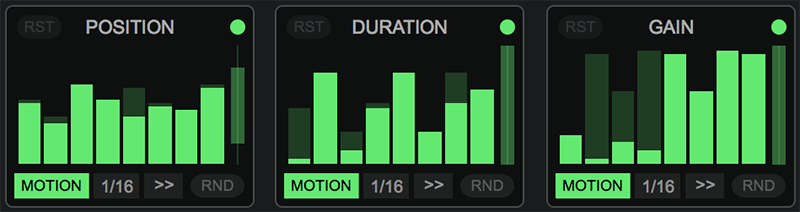
But things get even more fun when you add the motion, auto-random and modulation system. Motion allows each of the voice setups to change - using an internal pattern - in time with the sequencer. This provides changes that add significant movement to the generated sound.
Auto-random, on the other hand, hits all of the voice settings with an randomization at a set rate (you can set this to change from 16th notes to once every 32 bars). Where the motion system provides a repetitive state, auto-random provides complete craziness! Luckily, to tame things a bit, you can turn off auto-randomization - or limit the randomization range - for any of the voice settings to give you a semblance of control over an otherwise chaotic system.
The modulation system allows you to apply a waveform-based modulation on pitch, grain position and filter cutoff; with both short and long modulation times (again, featuring 16th note to 32 bar durations), you can go from obvious to subtle changes in the tone to augment the movement of the sequencer and the motion system.
Sequencing++
The Fragments device shows what happens when remove sequencing from simple note selection and apply it to something more creative. You also get a chance to see what happens when you take advantage of multi-function sequencing - and even what can happen when you over-sequence! One of the things that I found was that, in in actual use, the output was greatly enhanced by limiting the sequence to a few parameters rather than sequencing everything-all-the-time.
Another improvement came by being more adventurous with my audio file selection. Fragments comes with a modest selection of audio files for granulation, but I more found more success using my own audio - and especially sounds with clear events and a simpler sound pallette. The more I experimented, the more I found Fragments taking on my voice rather than the default voice; this is a great indication of a device with sufficient depth to become part of my personal workflow.
SpektroAudio tends to produce the tools you didn’t know you needed, but end up loving. I think Fragments is one of these products, and is probably worth your time to review. You can check it out at https://spektroaudio.com/fragments. Enjoy!
by Darwin Grosse on January 9, 2018

